
toughened glass window
Understanding Taper Plug Gauges A Precision Tool for Quality Control In the realm of manufacturing and quality assurance, the importance of precise measurements cannot be overstated. One tool that has managed to hold its ground in ensuring dimensional accuracy is the taper plug gauge. This specialized gauge is designed to assess the internal diameters of holes and other geometrical features with a level of precision that plays a critical role in the production of parts and components across various industries. What is a Taper Plug Gauge? A taper plug gauge is a type of gauge used to check the size and form of a tapered hole. It comprises a cylindrical shaft that is slightly tapered along its length. The tapering allows the gauge to assess not only the hole diameter but also its tapering angle. This makes the taper plug gauge essential for applications where tapered fittings are used, such as in hydraulic systems, automotive components, and aerospace parts. Design and Structure The design of a taper plug gauge typically features two main sections the tapered portion and the handle. The tapered section is precision-engineered to allow for a snug fit when inserted into a corresponding tapered hole. The difference in diameter at the larger and smaller ends of the taper provides an effective means to gauge the size and conformance of the hole. Most taper plug gauges are made from high-quality materials such as tool steel and are frequently coated to enhance durability and resistance to wear. Surface finishes are also a critical consideration as they can affect the gauge’s ability to measure accurately . Calibration and Standards taper plug gauge To ensure that taper plug gauges provide reliable measurements, they must be properly calibrated. Calibration involves adjusting the gauge by comparing it to a standard reference. This process is vital because even minor deviations can lead to significant errors in the production process. Many industries follow strict standards set by organizations such as the International Organization for Standardization (ISO) and the American National Standards Institute (ANSI), which dictate specifications for gauging tools. Applications in Various Industries Taper plug gauges find applications in a multitude of industries. In the automotive sector, they are frequently used to check the fit of components like valves and shafts. Ensuring that these parts fit together correctly is vital for the safety and performance of the vehicle. In aerospace manufacturing, precision is paramount. Taper plug gauges are employed to verify the integrity of fittings and other crucial components to ensure that they can withstand the extreme conditions experienced during flight. The tool is also utilized in the production of medical devices, where dimensional accuracy can literally be a matter of life and death. Ensuring that parts fit together correctly affects not only the functionality of devices but also patient safety. Conclusion In conclusion, the taper plug gauge serves as an indispensable tool in the manufacturing landscape, providing a reliable means to ensure that internal diameters of tapered holes meet the required specifications. Its design, coupled with the attention to calibration and standards, makes it a vital instrument in maintaining quality control across various industries. As manufacturing processes continue to evolve and demand higher precision, tools like the taper plug gauge will remain critical in connecting the intricate links between design intent and practical execution.
about
toughened glass window
Understanding Snap-On Gauges Tools for Precision Measurement Snap-on gauges are an essential tool in various industries, particularly in manufacturing and engineering. These precision measuring instruments enable professionals to assess the dimensions of objects with remarkable accuracy. Their design allows for ease of use and reliability, making them a preferred choice among engineers, machinists, and quality control inspectors. At the core of the snap-on gauge design is the principle of direct measurement. Unlike traditional calipers or micrometers that require the user to read measurements manually, snap-on gauges provide a straightforward solution. They are typically designed to fit over or snap onto a component to ensure it meets specific dimensional tolerances. For instance, in the automotive industry, snap-on gauges are used extensively to confirm that machined parts fit together correctly before assembly. Understanding Snap-On Gauges Tools for Precision Measurement The construction of snap-on gauges typically involves durable materials such as hardened steel or carbide. These materials ensure longevity and the ability to withstand the rigors of frequent use. Additionally, because these gauges are often subjected to wear and tear, manufacturers usually recommend periodic calibration and maintenance to ensure continued accuracy. snap on gauge Snap-on gauges come in various types, each tailored to specific measurement needs. For example, thickness gauges can measure the thickness of sheets or coatings, while go/no-go gauges help assess whether a part fits into a predetermined tolerance zone. Using the right type of snap-on gauge is critical, as it directly impacts the quality control process, affecting the final product's reliability and performance. In addition to their practical applications, snap-on gauges demonstrate the importance of precision in engineering and manufacturing. The pursuit of quality cannot be overstated, as even the slightest deviation from specified dimensions can lead to significant failures in more extensive systems. Engineers design components with tolerances that consider potential variations in manufacturing processes. Snap-on gauges play a pivotal role in verifying these tolerances, ensuring that each component reliably fits within the assembly as intended. Moreover, snap-on gauges are not limited to traditional industries. With the rise of additive manufacturing and the increasing reliance on 3D printing technology, snap-on gauges have evolved. New designs incorporate digital displays or multifunction capabilities, allowing for a broader range of measurement applications. This innovation reflects the evolving needs of modern manufacturing and the importance of maintaining precision in a rapidly changing industrial landscape. In conclusion, snap-on gauges are indispensable tools that facilitate high-precision measurements in a variety of fields. Their simplicity, durability, and reliability make them vital for ensuring that manufactured parts meet stringent quality standards. By enabling quick and accurate assessments, snap-on gauges contribute significantly to efficient production processes and the overall success of engineering projects. As industries continue to advance and demand greater precision, the role of snap-on gauges will undoubtedly remain critical in achieving these goals.
-

High quality industrial productsagement

High quality industrial products
View Details -

Meet the diverse needs of customers

Meet the diverse needs of customers
View Details -

Strict quality control

Strict quality control
View Details -

Top raw materials

Top raw materials
View Details -

Trusted supplier

Trusted supplier
View Details
Our application

news and information
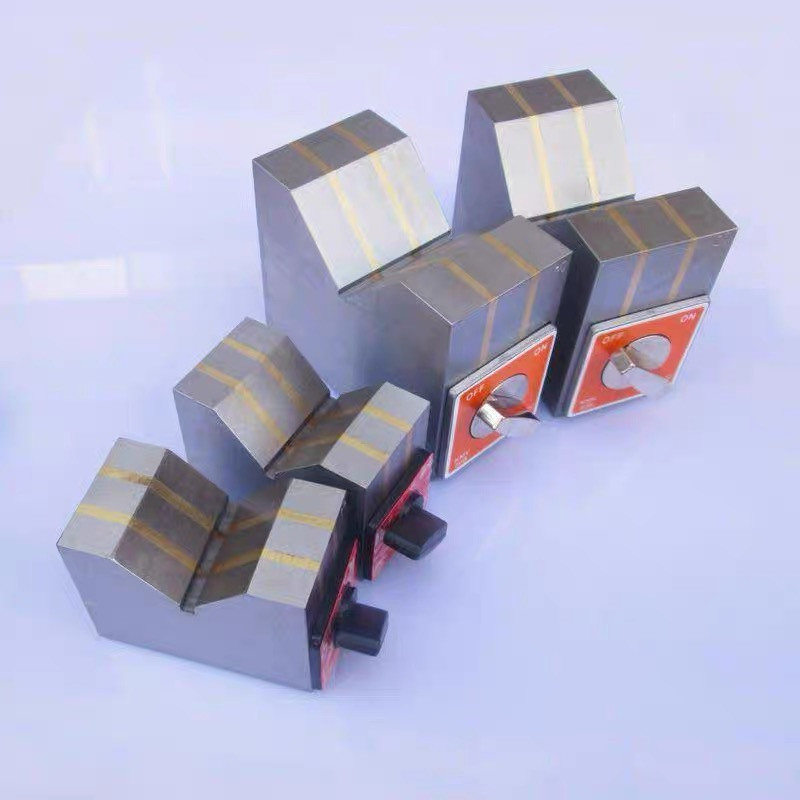
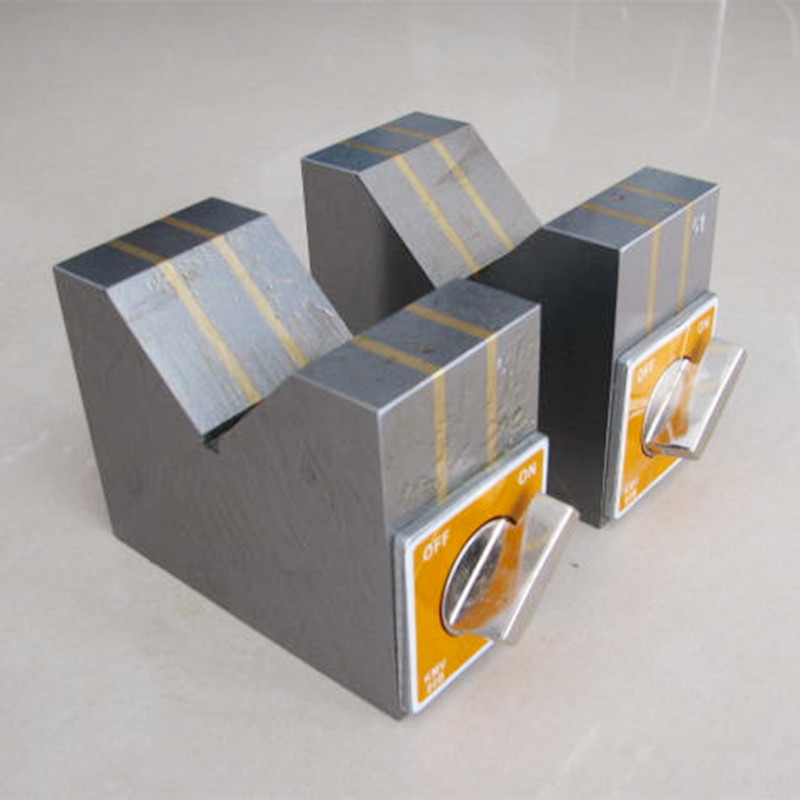
Versatile Magnetic Vee Block for Precision Workholding and Machining Applications
The Magnetic Vee Block A Versatile Tool for Precision Alignment In the realm of manufacturing and ma

What is the Difference Between Butterfly Valve and Gate Valve
Butterfly valves and gate valves have significant differences in multiple aspects, mainly reflected

Valvola a farfalla da 250 mm per applicazioni industriali e sistemi di controllo del flusso
Valvola a Farfalla da 250 mm Un Componente Essenziale per la Regolazione dei Fluidi La valvola a far
 English